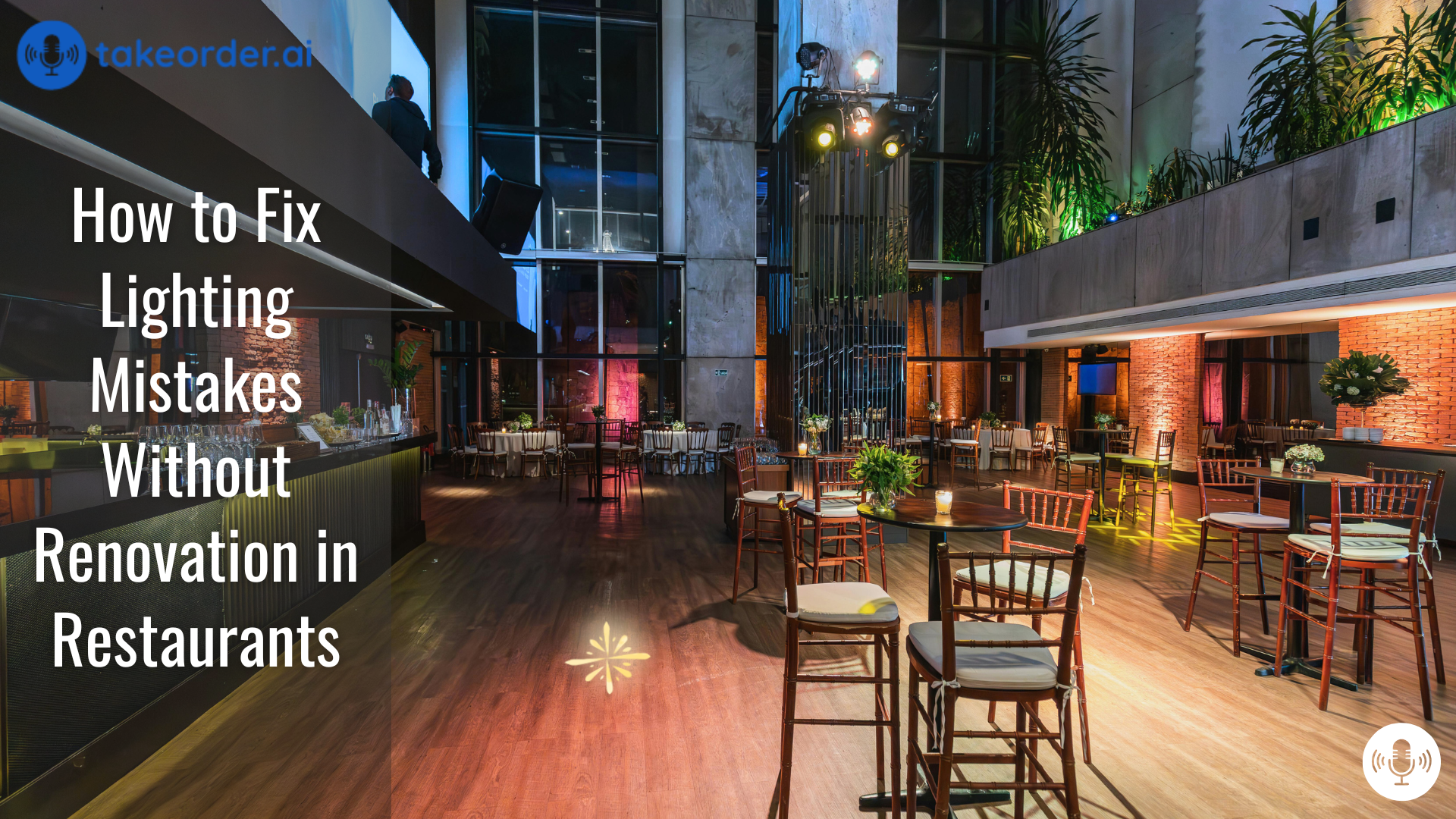
When people walk into a restaurant, they start forming opinions immediately, often before they’ve even looked at the menu. The way the space feels, how relaxed or rushed it seems, and whether guests want to stay a little longer all depend on details most people don’t consciously notice. Lighting is one of the biggest of those details.
Great lighting works quietly. It doesn’t demand attention or try to impress. It simply makes guests feel comfortable, helps food look its best, and supports staff throughout a busy day. In many ways, lighting is like the best restaurant systems; when everything runs smoothly, no one thinks about what’s happening behind the scenes.
That same philosophy guides solutions like Takeorder AI: remove friction, enhance the experience, and let the restaurant shine naturally.
The good news?
Most lighting problems don’t require renovations or big budgets. Below are seven common restaurant lighting mistakes, explained in simple terms, along with easy fixes you can apply right away.
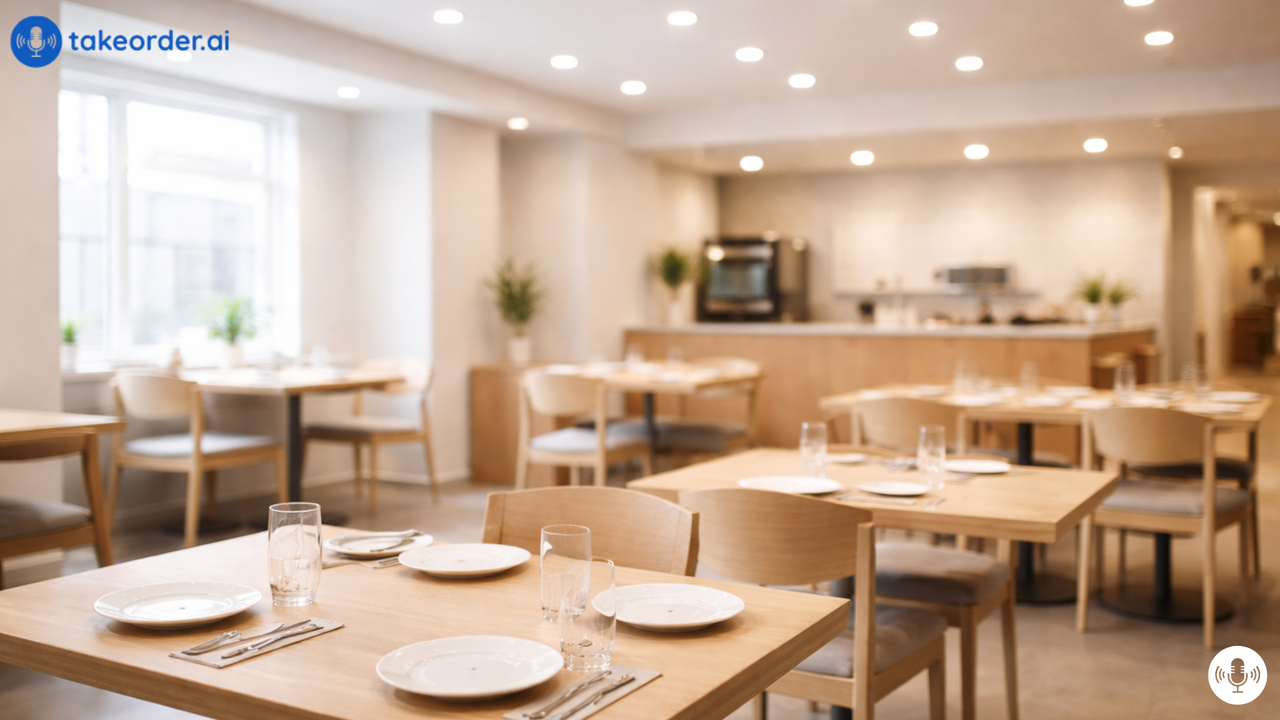
One of the most common mistakes restaurants make is keeping the entire space too bright. While bright lights may feel clean and efficient, they often make guests uncomfortable without knowing why. The room can feel rushed, cold, or more like a cafeteria than a place to enjoy a meal.
Guests tend to eat faster and leave sooner in overly bright spaces. Conversations feel shorter, and the overall mood becomes tense rather than relaxed.
Simple fixes:
A restaurant doesn’t need to be dim; it just needs to feel easy on the eyes.
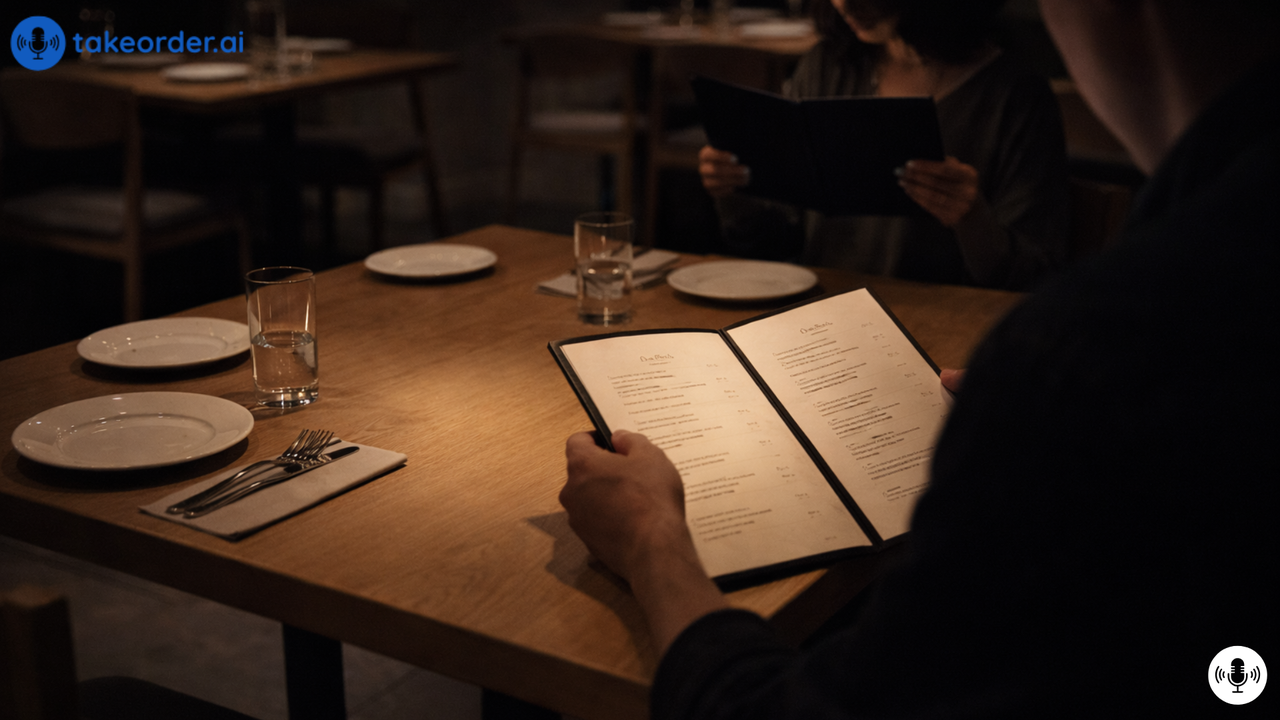
On the other extreme, lighting that’s too dark creates frustration. Guests struggle to read menus, food loses its visual appeal, and staff move carefully to avoid mistakes. While low lighting may seem cozy in theory, in practice, it often causes discomfort.
When guests can’t clearly see what they’re eating, it quietly takes away from the experience, even if the food is excellent.
Simple fixes:
A good rule of thumb is this: if guests are leaning forward or using their phone lights, it’s too dark.
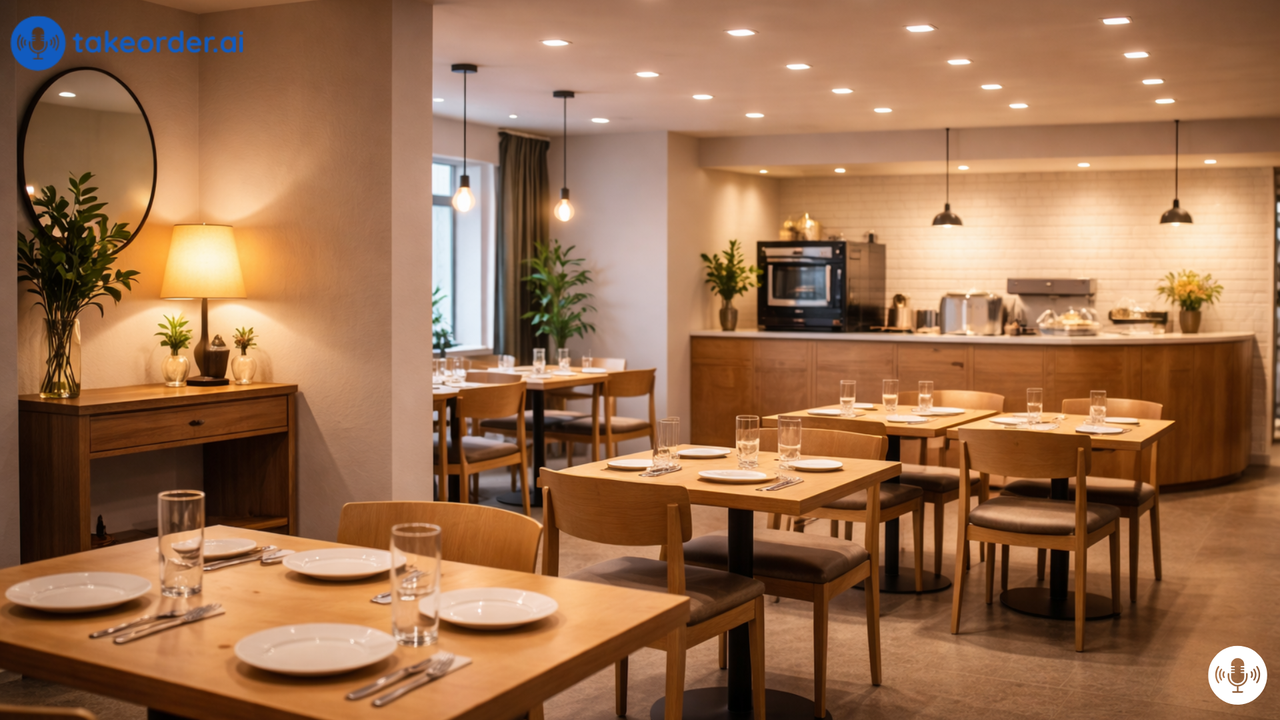
Many restaurants rely on one type of lighting across the entire space. While this may be simple to install, it makes the restaurant feel flat and unplanned. Different areas serve different purposes, and lighting should reflect that.
An entrance, a dining table, and a service counter don’t need to feel the same, and they shouldn’t.
Simple fixes:
These small changes help guide guests naturally through the space without signs or instructions.
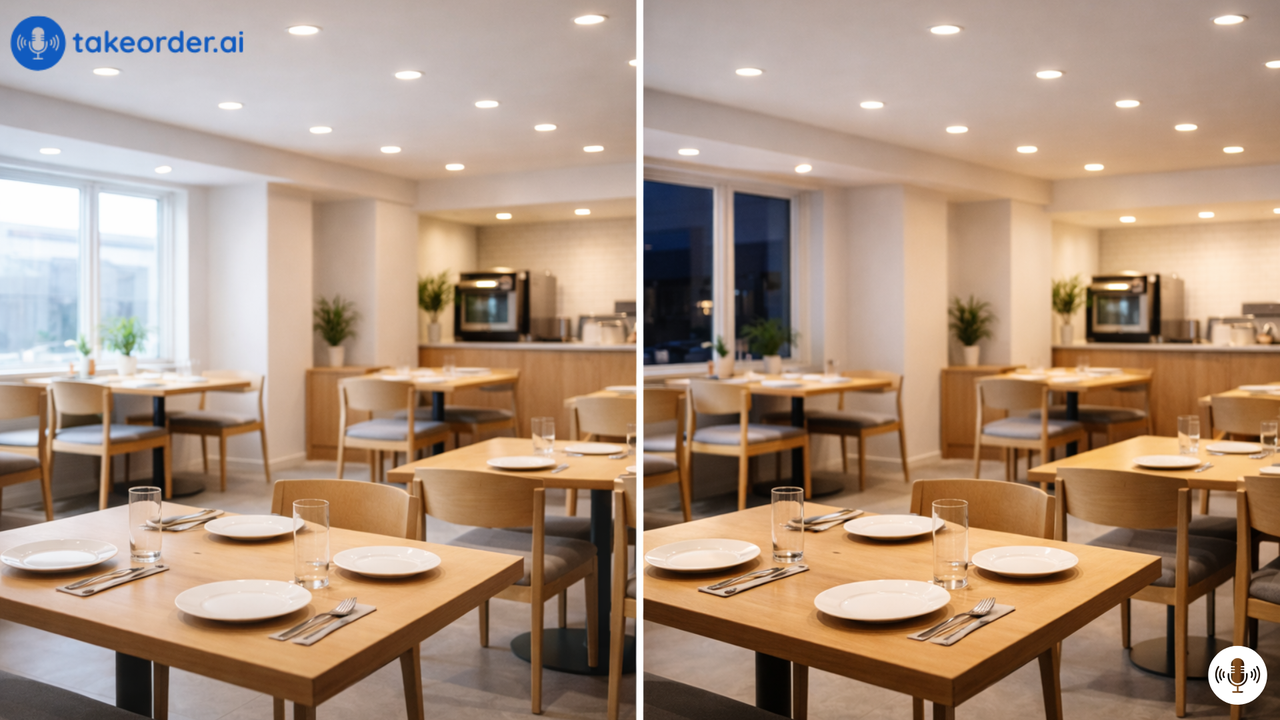
Lighting that works perfectly during lunch often feels wrong during dinner. Natural light changes throughout the day, but many restaurants leave their lighting unchanged from opening to closing.
This can make daytime dining feel dull and evening dining feel too harsh.
Simple fixes:
Adjusting lighting by time of day helps the restaurant match guests’ energy instead of working against it.
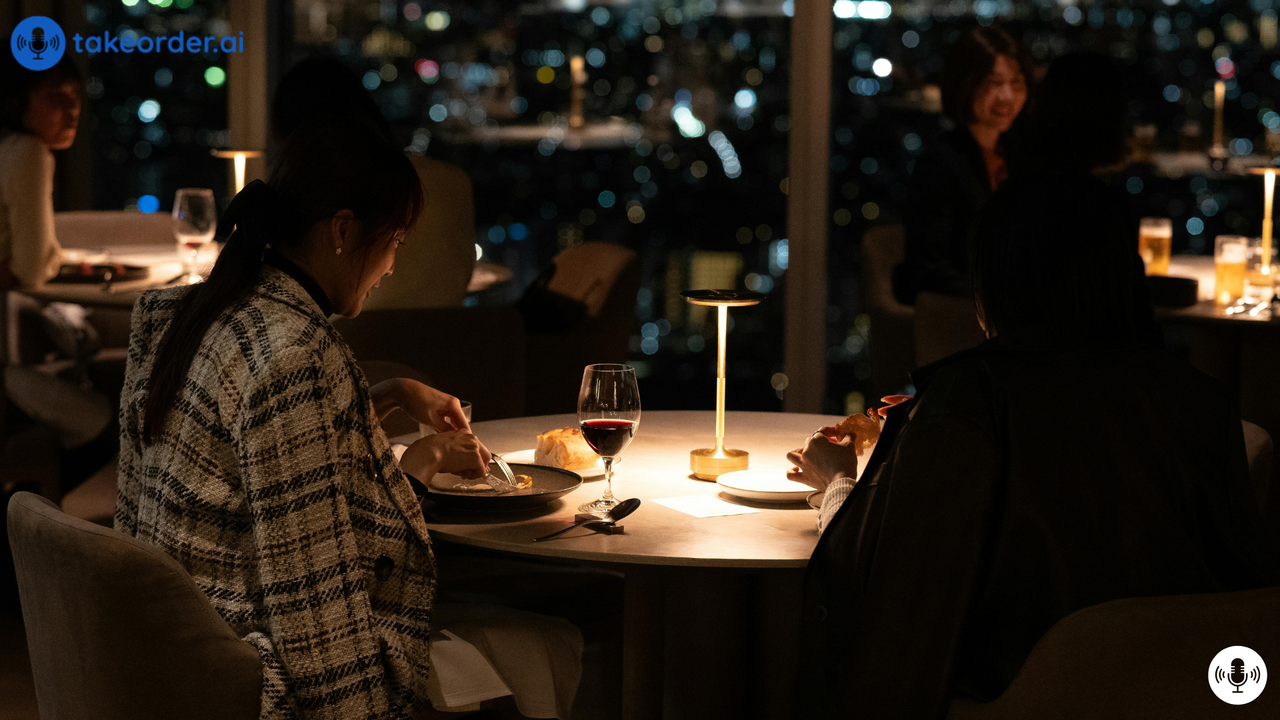
Even when a room looks well-lit overall, tables are sometimes left in shadow. This makes food look less appealing and creates an uneven dining experience; some guests enjoy perfect lighting while others struggle.
Food presentation matters, and lighting plays a bigger role in this than most people realize.
Simple fixes:
When food looks good under the light, guests enjoy it more, simple as that.
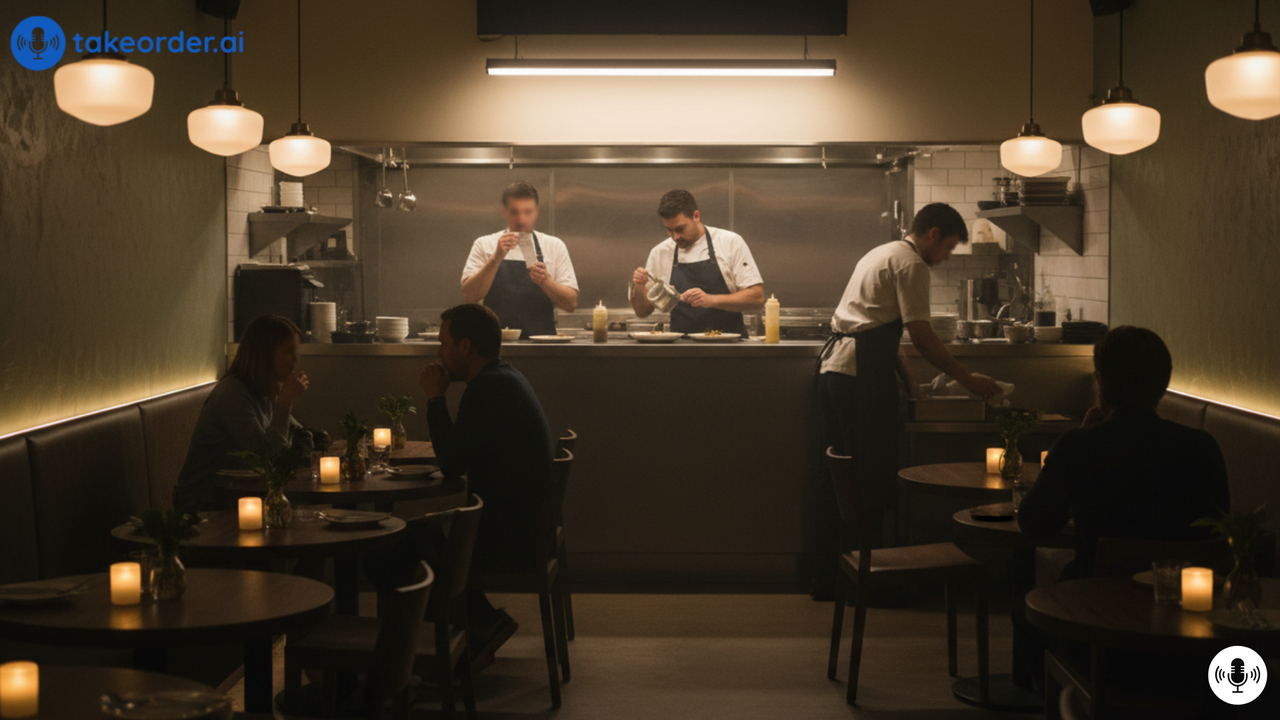
Lighting isn’t just about guests. Poor lighting in service areas, counters, and workspaces can slow staff down and increase fatigue. When employees can’t clearly see what they’re doing, small mistakes become more likely during busy hours.
At the same time, guests don’t need bright lighting in every corner, especially behind the scenes.
Simple fixes:
Supporting staff with good lighting helps service feel smooth and confident throughout the day.
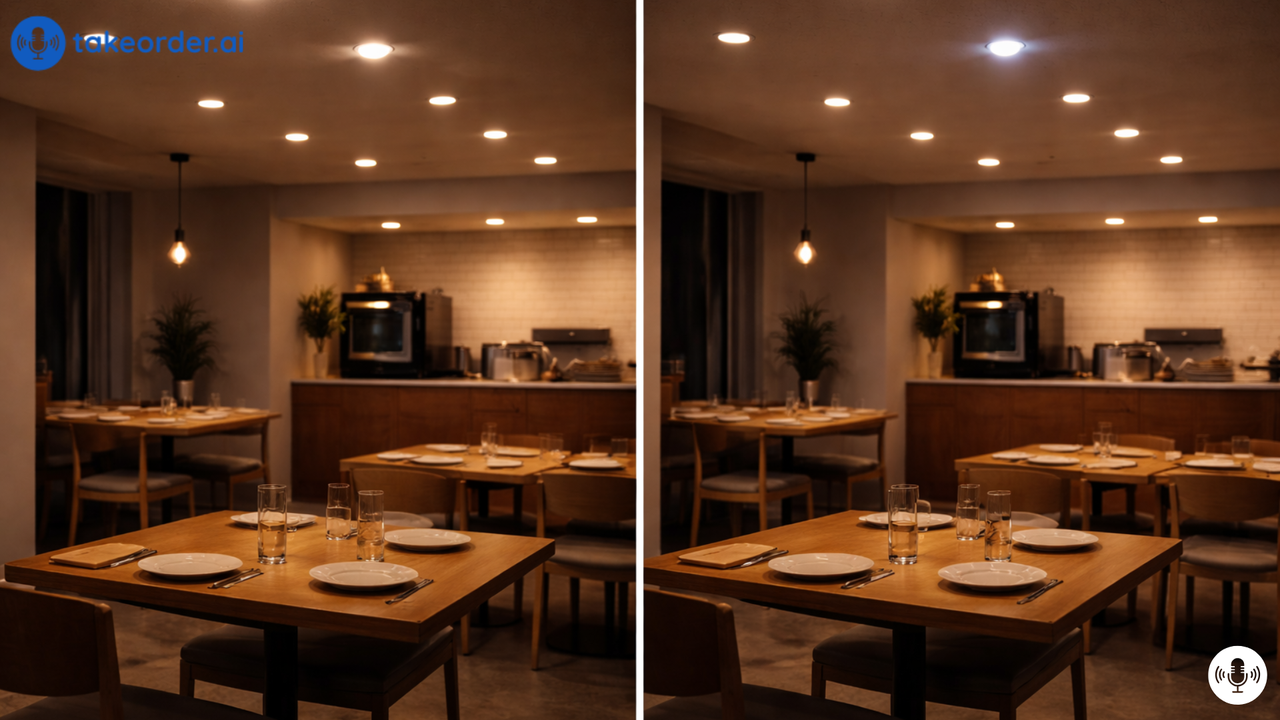
Flickering bulbs, uneven lighting, or mismatched colors may seem like small issues, but guests notice them subconsciously. These details can make a restaurant feel poorly maintained, even if everything else is done right.
Lighting problems often stand out more at night, when guests have fewer distractions.
Simple fixes:
These are small maintenance habits that quietly protect the overall experience.
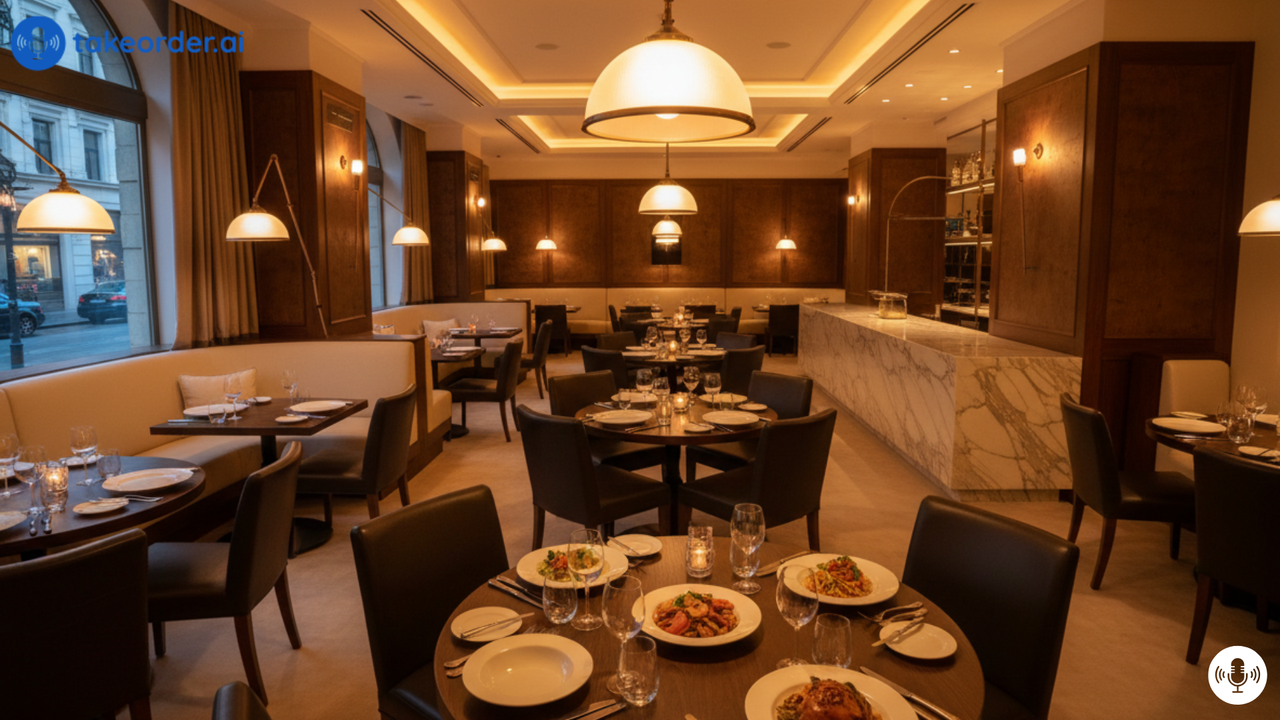
Lighting influences how long guests stay, how relaxed they feel, and how they remember your restaurant later. It supports conversations, enhances food presentation, and helps staff do their jobs with confidence. Most importantly, good lighting doesn’t ask for attention; it simply feels right.
Restaurants that focus on small, thoughtful improvements often see big results. Just as smart systems quietly support service without disrupting hospitality, the right lighting works in the background to make everything flow more naturally. That same idea is why restaurants turn to solutions like Takeorder AI to reduce friction, support staff, and let the guest experience stay front and center.
Great restaurant lighting isn’t about being dramatic or trendy. It’s about balance. When lighting is done well, guests feel comfortable, staff feel supported, and the space feels welcoming from the first step inside to the last bite.
You don’t need a renovation to get it right. A few thoughtful adjustments can make a powerful difference, and your guests may never know why your restaurant feels better, only that it does.
Stay updated on our news and events! Sign up to receive our newsletter.
Thank you for signing up!
Something went wrong. Please try again later.