Restaurant reservations are supposed to be simple. A guest calls, asks for a table, shares a name and time, and expects confirmation. On paper, it’s one of the easiest interactions in hospitality. In reality, it often becomes one of the most disruptive parts of a restaurant’s day.
Reservation calls rarely come in during calm moments. They arrive during lunch rushes, right before dinner service, or when the dining room is already buzzing.
Hosts are greeting walk-ins, servers are asking about table status, and managers are juggling multiple issues at once. When the phone rings, it doesn’t just demand attention; it pulls focus away from everything else.
Over time, this constant interruption changes how reservations are handled. Conversations get shorter. Details are written down quickly. Confirmations are rushed. No one is doing anything wrong, but the environment makes “simple” tasks harder than they should be. That’s where inefficiencies start to build.
Even highly organized restaurants struggle with reservation calls because of timing and context. A reservation call isn’t an isolated task; it happens in the middle of active service. Answering the phone means breaking concentration, even if only for a minute.
Individually, these moments seem small. Over an entire shift, they create friction. Hosts feel rushed. Staff feel behind even when they’re working efficiently. Managers notice small delays but can’t always pinpoint the cause. The phone becomes a constant background pressure rather than a helpful tool.

Most reservation errors don’t happen because of carelessness. They happen because restaurant environments are noisy, fast-moving, and unpredictable. When staff are multitasking, even minor details can be misunderstood.
A guest might say “eight people,” but background noise makes it sound like “six.” A reservation is requested for Friday, but is written down under Saturday. A guest mentions a birthday or special request, but there’s no time to record it properly.
By the time the guest arrives, the mistake has already become a problem that needs fixing. Staff scramble to adjust seating, guests wait longer than expected, and the overall experience starts with frustration instead of excitement.
For guests, calling a restaurant is about more than logistics. It’s about reassurance. They want to feel confident that their table is secured and that the restaurant is organized and attentive.
If the call feels hurried or uncertain, guests may wonder if their reservation is truly noted. That doubt lingers until they arrive. Even if the food and service are excellent, a shaky first interaction can quietly lower expectations.

Consistency is one of the hardest things to achieve when reservation calls depend entirely on staff availability. Different people answer the phone at different times, under different levels of pressure.
During slower hours, staff have time to confirm details carefully. During peak service, the same call may be handled quickly just to keep things moving. Some guests receive thorough confirmations. Others receive brief responses with little repetition.
This inconsistency creates uncertainty internally as well. Staff aren’t always sure what was promised earlier in the day. Hosts may question whether a note was taken correctly. Managers spend time double-checking instead of focusing on guest experience.
Takeorder AI removes these inconsistencies by handling reservation calls automatically and instantly. Every guest receives the same calm, structured experience, regardless of how busy the restaurant is.
Instead of ringing endlessly or interrupting service, calls are answered immediately. Guest details are captured accurately, and confirmations are clear and consistent. There’s no background noise, no multitasking, and no rushed conversations.

Because Takeorder AI is designed specifically for restaurant operations, it understands the natural flow of reservation conversations. It doesn’t just record information; it creates clarity for both guests and staff.
Learn more here: https://takeorder.ai/solutions-takeorder-restaurant-ai
When reservation calls no longer interrupt service, the effect is noticeable across the floor. Hosts stay focused on managing seating and guest flow. Servers aren’t pulled away mid-service. Managers spend less time resolving reservation-related issues.
The dining room feels calmer, even when it’s full. Staff confidence improves because they trust that reservations are accurate and up to date. That confidence translates directly into better hospitality.
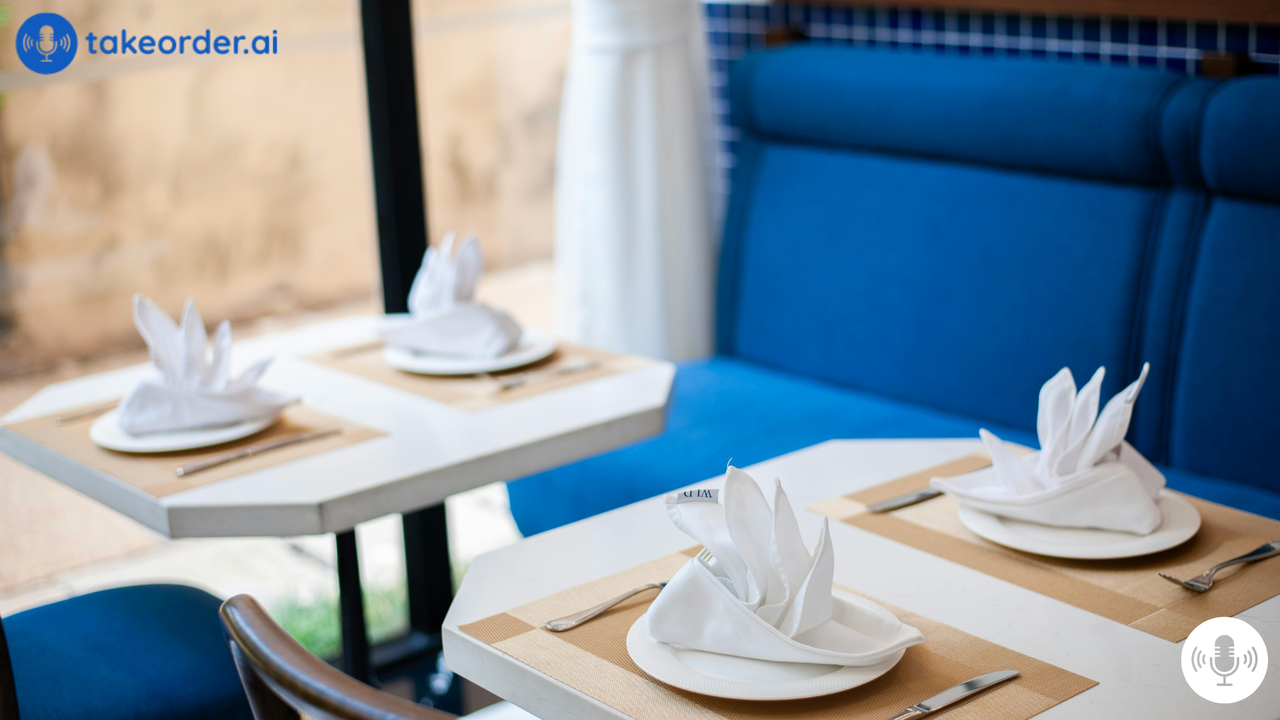
Busy nights magnify every small inefficiency. When reservations aren’t handled cleanly, the impact is felt most during weekends and special occasions. That’s when restaurants are under the most pressure, and guests have the highest expectations.
Takeorder AI helps ensure every reservation is handled the same way, whether it’s a quiet weekday lunch or a packed Saturday night. Guests receive clear confirmations, and staff can trust the system without second-guessing.
Reservation calls don’t have to disrupt service, stress staff, or create uncertainty for guests. With the right system in place, they can be handled accurately, consistently, and without pulling attention away from the dining room.
Takeorder AI allows restaurants to answer every call, reduce human error, and deliver a better first impression before guests even arrive.
Explore solutions: https://takeorder.ai/solutions-takeorder-restaurant-ai
Book a demo: https://takeorder.ai/book-a-demo-takeorder-restaurant-ai
Stay updated on our news and events! Sign up to receive our newsletter.
Thank you for signing up!
Something went wrong. Please try again later.